
Creating a home office that is both relaxing and productive can transform how you work and feel throughout the day. Whether you’re working remotely full-time or occasionally dipping into tasks from home, your workspace should support focus and comfort. In this post, we’ll explore practical tips to help you design a home office that balances calm and efficiency.
Why a Relaxing and Productive Home Office Matters
Many of us spend hours at our desks, and the environment around us can greatly affect our mindset and output. A cluttered, uncomfortable, or uninspiring space can cause distractions, fatigue, and stress. On the other hand, a well-organised and inviting office encourages better concentration, creativity, and wellbeing.
By taking time to plan your home office thoughtfully, you can enhance your work habits and overall satisfaction.
Choosing the Right Location in Your Home
Consider Natural Light and Quiet Zones
If possible, pick a quiet corner or room with plenty of natural light. Daylight helps regulate your body’s rhythms and reduces eye strain. Avoid spaces near noisy household areas such as kitchens or busy lounges.
Separate Work from Living Areas
Designate your home office area to mentally separate work from personal life. If a separate room isn’t available, use room dividers or screens to create boundaries and reduce distractions.
Ergonomic Furniture Is Key
Invest in a Comfortable Chair
A good office chair supports your posture and prevents discomfort during long hours. Look for adjustable features like height, lumbar support, and armrests to fit your needs.
Choose the Right Desk
Select a desk with enough space for your computer, stationery, and other essentials. Consider a sit-stand desk if you wish to alternate between sitting and standing.
Organising Your Workspace
Declutter Regularly
A clean workspace reduces stress and helps you focus. Keep items you use daily within easy reach, and store other materials out of view.
Use Storage Solutions
Drawers, shelves, and organisers can keep papers, cables, and supplies tidy. Label boxes or files to quickly find documents when needed.
Manage Cables Neatly
Untidy cables give a cluttered appearance and can be distracting. Use cable clips, sleeves, or trays to keep them organised and out of sight.
Creating a Calm Ambiance
Choose Soothing Colours
Colours can influence mood and productivity. Soft blues, greens, or neutral shades create a calming atmosphere. Avoid overly bright or harsh colours unless they motivate you personally.
Add Personal Touches Mindfully
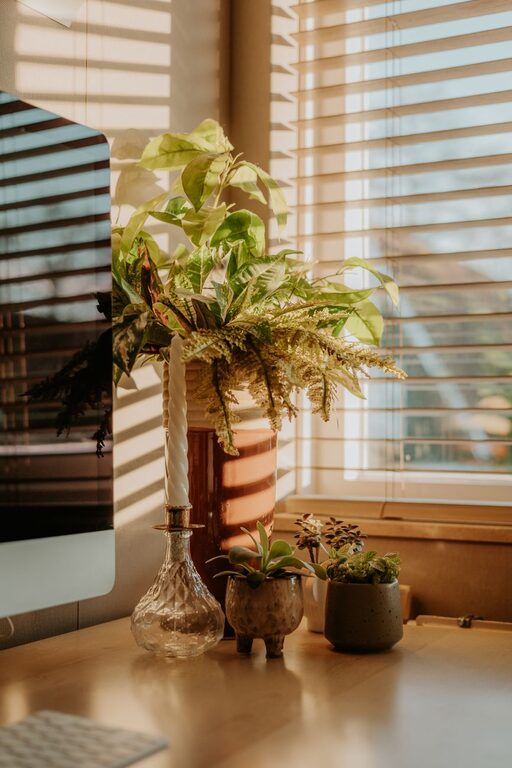
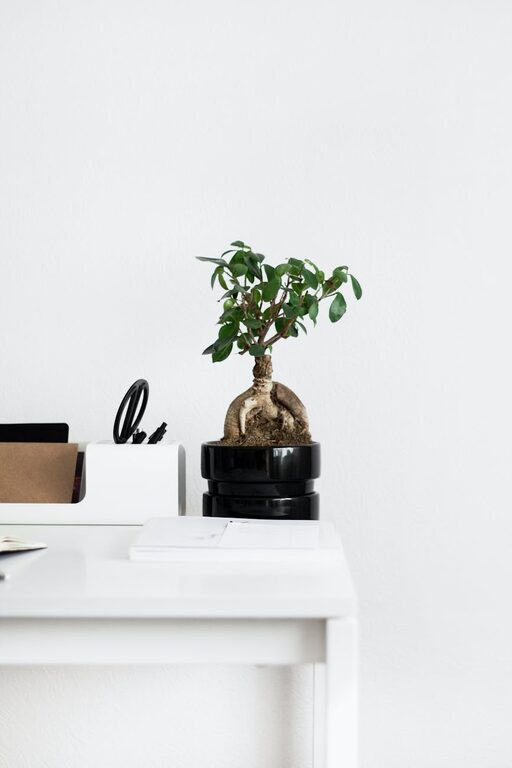
Incorporate elements that inspire and comfort you, such as plants, artwork, or small decorative items. Keep them minimal to avoid overcrowding your desk.
Control Lighting and Ventilation
Use adjustable lamps to supplement natural light, reducing eye strain in darker hours. Fresh air and a comfortable room temperature also support alertness and wellbeing.
Incorporating Technology Wisely
Use Quality Equipment
Reliable and ergonomic tech tools, like a keyboard, mouse, headset, or monitor, help maintain comfort and efficiency.
Minimise Distractions
Turn off unnecessary notifications and consider apps or browser extensions that block distracting websites during work sessions.
Establishing a Routine and Boundaries
Designate Working Hours
Set clear start and finish times within your home office environment to maintain work-life balance.
Take Regular Breaks
Step away from your desk to stretch, hydrate, and refresh your mind. Short breaks improve focus and reduce fatigue.
Keep Communication Open
If you share your home with others, communicate your schedule and workspace boundaries to avoid interruptions.
Tips to Boost Motivation and Wellbeing
– Play soft background music or white noise if it helps concentration.
– Incorporate a small area for quick exercises or stretches.
– Use aromatherapy with subtle scents like lavender or peppermint to promote relaxation.
Final Thoughts
Designing a home office that feels both relaxing and productive is achievable with thoughtful planning and small, consistent changes. By choosing the right space, focussing on ergonomics, organising carefully, and nurturing a positive environment, you can enhance your work experience and promote your wellbeing. Take time to personalise your space in a way that suits your lifestyle and work style – a comfortable office is a key ingredient for success when working from home.
Related Posts

Tips for Creating a Relaxing Home Garden Space
Creating a relaxing home garden space can bring a wonderful…
How to Create a Relaxing and Productive Home Office Space
Working from home has become a norm for many, making…
How to Create a Peaceful and Organised Home Workspace
Creating a peaceful and organised home workspace is essential, especially…