
Working from home has become a norm for many, making the home office space more important than ever. A well-designed home office not only enhances productivity but also creates a relaxing environment that supports focus and wellbeing. If you’re looking to transform your workspace, here are some practical tips to help you build a home office that’s both calming and efficient.
Choose the Right Location
Find a Quiet Spot
Select a space in your home that offers minimal distractions. Ideally, choose a room or corner away from high-traffic areas like the kitchen or living room. If space is limited, consider using room dividers or screens to separate your work area visually and acoustically.
Maximise Natural Light
Natural light improves mood and energy levels, so position your desk near a window if possible. Avoid placing your monitor directly in front of the window to prevent glare. Use light, sheer curtains to diffuse sunlight gently without making the room too dark.
Invest in Comfortable and Supportive Furniture
Ergonomic Chair
An ergonomic office chair supports your back properly and encourages good posture. Look for features like adjustable height, lumbar support, and swivel capability. Sitting comfortably helps reduce fatigue and prevents aches during long work hours.
Desk Selection
Choose a desk that fits your available space and meets your work needs. If your work involves lots of paperwork or multiple devices, a larger desk with sufficient surface area might be best. Height-adjustable desks are great for alternating between sitting and standing positions.
Organise Your Workspace
Declutter Regularly
A cluttered desk can distract and stress you out. Keep only essential items within reach and store away anything not in daily use. Use organisers, trays, and drawers to maintain a tidy workspace.
Efficient Storage Solutions
Good storage options, such as shelves, filing cabinets, or wall-mounted units, can keep your documents and supplies organised. Label boxes and folders for quick access.
Personalise Your Environment
Calming Colours
Choose colours that promote calmness, such as soft blues, greens, or neutral tones. These shades can reduce stress and create a soothing atmosphere. Avoid overly bright or harsh colours that might cause visual fatigue.
Add Greenery
Plants add a touch of nature to your office, improving air quality and contributing to a relaxing vibe. Easy-to-care-for plants like snake plants, pothos, or succulents work well in indoor office spaces.
Personal Touches
Incorporate a few personal items like family photos, inspirational quotes, or artwork that motivate you. However, keep these to a minimum to avoid clutter.
Optimise Lighting
Layer Your Lighting
Good lighting reduces eye strain and improves concentration. Combine ambient light (main room lighting) with task lighting, such as an adjustable desk lamp. Warm white LED bulbs typically create a comfortable light quality.
Minimise Screen Glare
Adjust your monitor angle and lighting sources to prevent glare. Anti-glare screen protectors can also improve visual comfort.
Create a Relaxation Corner
Include a Comfortable Seating Area
If space allows, add a small armchair or bean bag where you can take breaks, read, or meditate. This separation from your usual desk area can help you mentally switch off and recharge.
Use Aromatherapy
Scent can influence mood and productivity. Consider using subtle essential oil diffusers or candles with calming fragrances like lavender or eucalyptus to promote relaxation.
Manage Noise Levels
Soundproof if Needed
If noise is an issue, try soundproofing solutions such as thick curtains, rugs, wall panels, or weatherstripping doors. White noise machines or soft background music can help mask distracting sounds.
Headphones
Invest in noise-cancelling headphones if you work in a noisy environment. They can help you focus by blocking out distractions.
Plan for Breaks and Movement
Set Break Reminders
Working for hours without breaks reduces productivity and increases stress. Use timers or apps to remind yourself to pause regularly for stretch breaks or a quick walk.
Move Around
Incorporate movement into your day with simple exercises or stretches around your office. This keeps your body active and boosts energy levels.
Utilise Technology Wisely
Cable Management
Keep cables organised and out of sight with clips, sleeves, or under-desk trays. A neat workspace reduces distractions.
Invest in Quality Equipment
Good-quality keyboards, mice, and monitors can reduce discomfort and improve efficiency. Ensure your internet connection is reliable to avoid interruptions.
—
Creating a relaxing and productive home office doesn’t require a complete overhaul. By paying attention to lighting, furniture, organisation, and personal touches, you can assemble a space that helps you focus and feel comfortable throughout your working day. Start with small changes and adjust your environment as you discover what works best for you. This thoughtful approach will make working from home clearer, calmer, and more enjoyable.
Related Posts
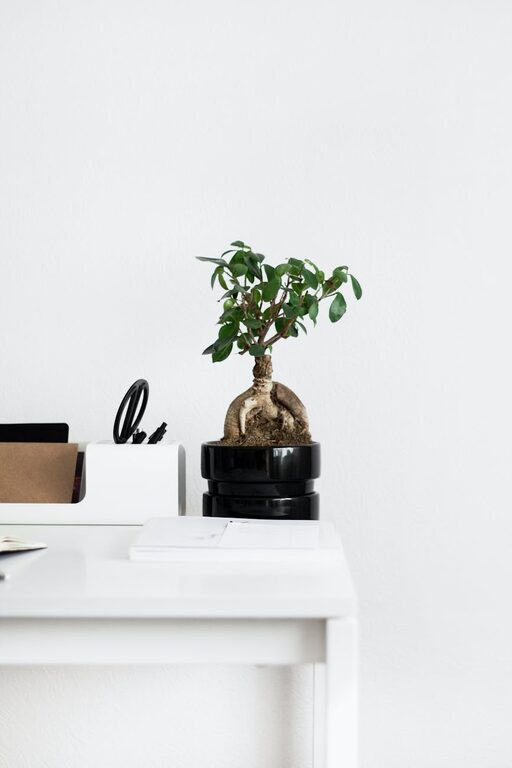
How to Create a Peaceful and Organised Home Workspace
Creating a peaceful and organised home workspace is essential, especially…

Tips for Creating a Relaxing Home Garden Space
Creating a relaxing home garden space can bring a wonderful…
Easy Tips for Creating a Cozy and Inviting Living Room
Creating a cosy and inviting living room is all about…